
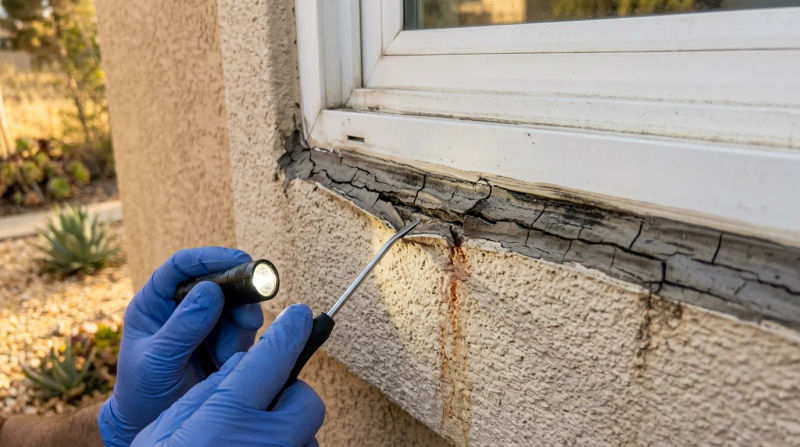
I’ve been a handyman in this area for over 12 years, and every year around this time - late summer, early fall - I start getting the same kinds of calls. A homeowner might feel a slight draft near their living room window on a breezy evening, or notice the smoke from the late fire season seems to be seeping in more than usual. Others might be doing a deep clean and spot a hairline crack in the caulk around their bathtub. These small details seem minor after a long, hot Antioch summer, but they’re often the first warnings of a bigger problem on the horizon: failing caulk.
That flexible seal in the gaps around your windows, doors, and plumbing fixtures is your home's first line of defense against water, air, and pests. After months of intense sun and dry heat, that seal can shrink, harden, and crack. Now, as we head into September, is the critical time to inspect it. Taking care of it now helps you reseal windows and doors before rain arrives and turns those tiny gaps into major headaches. Let’s walk through what you should be looking for.
Common Signs and Symptoms
Identifying failing caulk is mostly about careful observation. When my team and I do an inspection, we’re looking for subtle clues that a seal is no longer doing its job. Here are the most common signs caulk is failing Antioch homeowners should watch for:
- Visible Cracks and Gaps: This is the most obvious sign. Look closely at the bead of caulk. Do you see hairline fractures or sections where it has split completely? Even a tiny crack is an open invitation for water and air.
- Peeling or Pulling Away: If the caulk is lifting away from the wall or the fixture, it has lost its adhesion. You might be able to slide a fingernail or a piece of paper into the gap. This is a total failure of the seal.
- Mold, Mildew, or Discoloration: That persistent black or pinkish line in your shower or tub corner isn't just an eyesore; it's a sign that water is getting trapped behind the caulk. The seal is no longer watertight, creating a damp environment where mold and mildew thrive.
- Increased Drafts or Air Leaks: If you stand near a window or exterior door and feel a noticeable temperature change or air movement, the exterior caulking and sealing has likely failed. This not only makes your home less comfortable but also forces your HVAC system to work harder, driving up energy bills.
- Water Stains or Damaged Drywall: Look for faint, yellowish-brown stains on the wall around window frames or on the ceiling below a second-story bathroom. You might also notice bubbling paint or soft, spongy drywall. These are serious signs that water has already penetrated the caulk and is causing hidden damage.
- Unwanted Pests: A sudden influx of ants or other tiny insects can often be traced back to a small gap in the caulk around a window, a door, or where pipes enter the home. It’s a literal open door for pests.
- Hard, Brittle Texture: Healthy caulk should have a slight bit of flex to it. If you press on it and it feels rock-hard or crumbles under pressure, it has dried out completely and lost its elasticity. It can no longer expand and contract with the house, meaning it's only a matter of time before it cracks.
What Causes This Problem
Caulk doesn't last forever, and several factors - many of which are prominent here in Antioch - can accelerate its breakdown. Understanding the cause can help you know what to look for.
Many homes in our area were built during the suburban boom of the 1990s and 2000s. These two-story tract homes, often with stucco exteriors, have specific vulnerabilities. After 20-30 years, the original materials are simply reaching the end of their lifespan.
Here’s what I typically see causing caulk failure:
- UV Radiation and Heat Cycles: Our long, hot, and dry summers are tough on building materials. The sun's UV rays break down the chemical polymers in caulk, making it brittle. The daily cycle of heating up and cooling down causes materials to expand and contract. Over time, old caulk can't keep up with this movement and starts to split. The stucco exteriors common in Antioch absorb and hold significant heat, putting extra stress on the caulk around windows and trim.
- Building Settling: All houses settle over time. Those 90s and 00s-era homes have had plenty of time to do so. This subtle movement puts constant strain on rigid points and joints, and if the caulk isn't flexible enough, it will tear.
- Improper Initial Application: In mass-produced housing developments, speed is often a priority. Sometimes, the original caulking and sealing was done on a surface that wasn't perfectly clean, dry, or primed. Or, the wrong type of caulk might have been used - for example, a less-durable interior acrylic caulk used on an exterior window. These shortcuts lead to premature failure.
- Moisture Exposure: In bathrooms and kitchens, constant exposure to water, steam, and cleaning products can degrade the caulk and weaken its bond to the surface. This is a primary reason for the question, bathroom caulk cracking what to do? The answer starts with understanding that moisture is the enemy.
- Simple Old Age: Even the highest quality sealant has an expiration date. Depending on the type and its exposure to the elements, you can expect caulk to last anywhere from 5 to 15 years. If your home is over a decade old and still has its original caulk, it’s due for an inspection.
When to Call a Professional
Some small caulking jobs are perfect for a confident DIYer. If you have a short, straight gap along an interior baseboard, you can likely handle it yourself. The key is to completely remove all the old caulk first, clean the surface thoroughly, and apply a new, steady bead.
However, many situations are best left to experienced professionals. Here’s when I recommend calling for help:
- Exterior Caulking, Especially on a Second Story: This is a safety issue. Working on a ladder while trying to manage a caulk gun and create a clean, effective seal is difficult and dangerous without the right equipment and experience. This is especially true for the two-story homes common in our neighborhoods.
- Multiple Windows and Doors: If you have widespread caulk failure, the job becomes very time-consuming. A professional has the tools and techniques to remove the old caulk efficiently and apply the new sealant quickly and correctly.
- Sealing Against Stucco or Brick: Creating a durable, weatherproof seal on textured surfaces like stucco requires a specific type of high-performance sealant and a practiced application technique to ensure the caulk gets into all the tiny crevices.
- If You See Signs of Water Damage: If you’ve found water stains, soft drywall, or wood rot, the problem is no longer just about caulk. You need a professional to assess the extent of the damage and make sure the underlying issue is repaired before new caulk is applied. Simply sealing over the problem will only trap moisture and make it worse.
- Bathroom Mold and Mildew Issues: When homeowners ask, bathroom caulk cracking what to do, and there's mold involved, I always advise caution. A professional will not only replace the caulk but will also treat the area to kill the existing mold and mildew, ensuring it doesn't just grow right back under the new seal.
Conclusion
Your home's caulk is a small detail that plays a huge role in protecting your property from the elements. By taking a few minutes this September to inspect the seals around your windows, doors, and bathrooms, you can catch problems early. Look for the key signs: visible cracks, peeling edges, drafts, and any discoloration from mold or water.
Acting now, before the first fall rains arrive, is one of the smartest investments you can make. A little bit of maintenance on your caulking and sealing can prevent thousands of dollars in repairs from water damage, wood rot, or pest infestations down the road. Don't wait for a drafty night or a water stain to tell you there's a problem.
If you notice any of these signs, contact a local Handyman professional for an inspection.